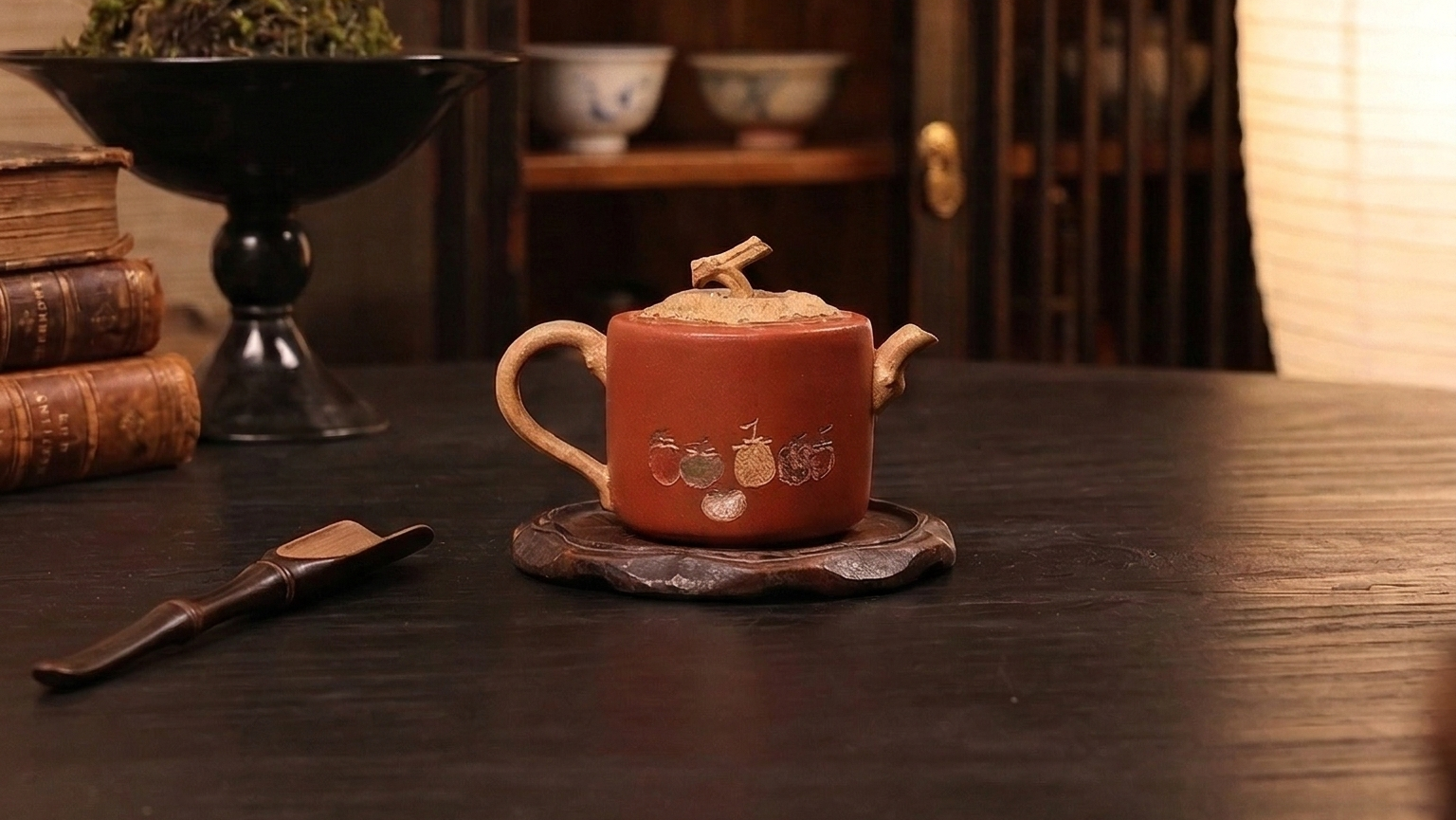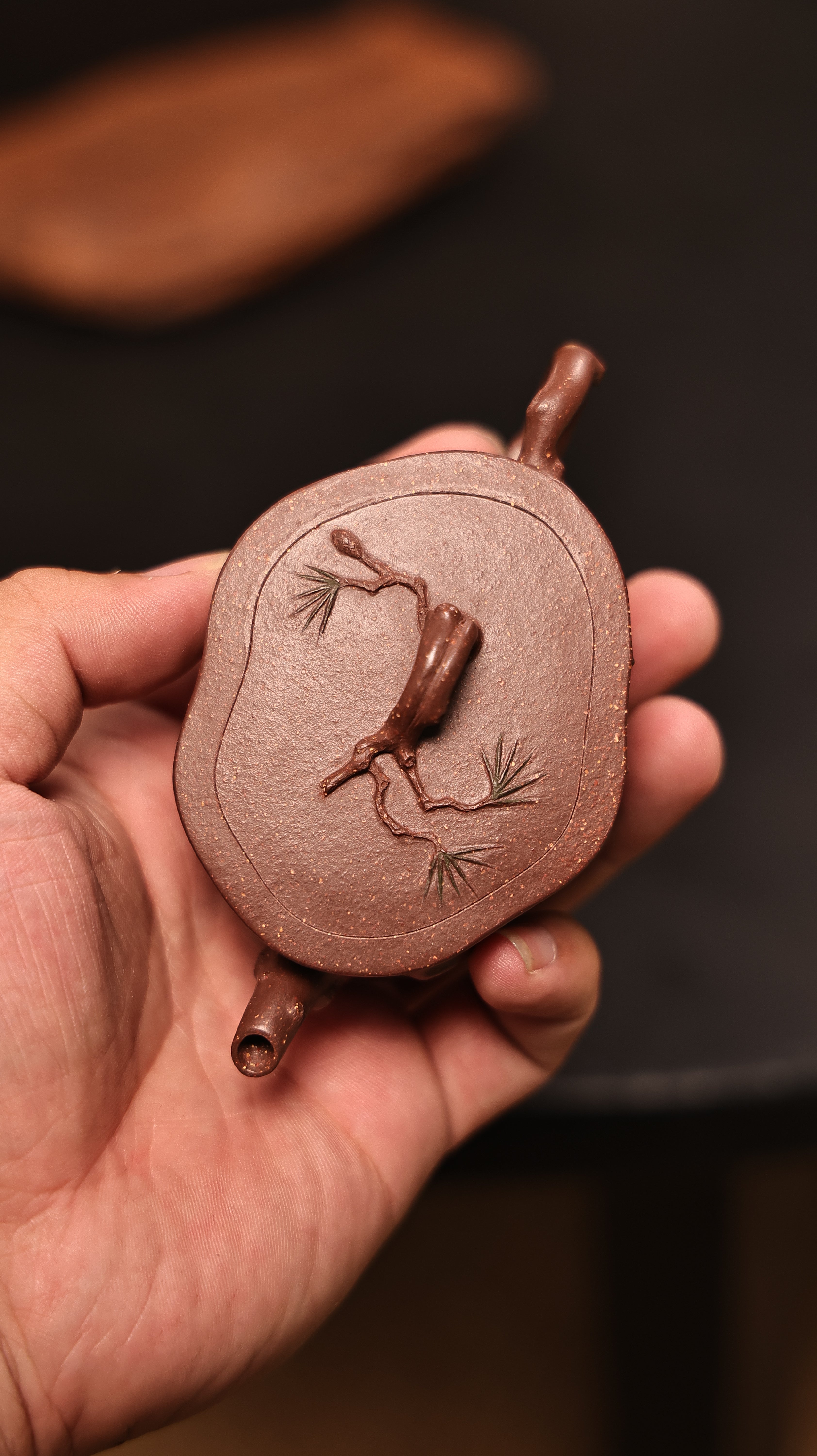
Enduring tradition establishes Chinese ceramic pots alongside periods,
Embodying rare features obtained across domestic heliotrope components, the flasks accumulate a glow along employment, augmenting taste infused from brewed extracts.
Unveiling Yixing Mud: Exhaustive Insights into Zisha
Varied devotees appreciate the distinctive structure of Yixing heliotrope clay, an essential element of ancient Chinese earthenware. Emerging from the Yixing region of Jiangsu province, this rare clay shows an refined mineral constitution, that bestows amazing qualities to the executed vessels. Styles within Zisha, including Hong Mud, Duan Ni Mud, and Jiang Xi Mud, each presents unique casts, grains, and hardening traits, affecting the openness and the terminal aroma refinement of the elixir.
Far Eastern Teapot Usages: Exploring Artistry
Asian teapots embody beyond mere flasks for liquid; they symbolize centuries of customary expertise. From the classic Yixing clay variations, respected for their ventilated nature which infuses individual tastes to the drink, to the precise porcelain from Jingdezhen, each piece conveys a story of effort. The fabrication process is an involved mission, often passed down through houses of artisans. These artists use traditional procedures such as hand-building, throwing on wheels, and enhancing, demonstrating profound reverence for the material and the profession itself. Consider the labor invested in each piece as a symbol of Chinese ceramic legacy.
- Chinese urns: a famous offer.
- Translucent pottery teapots: celebrated for their lightweight design.
- Hand-building techniques: a laborious yet profitable procedure.
Eastern Clay Urn Preservation: Caring for Your Treasure
Sufficient handling of your valued Yixing Zisha container is critical to boosting its longevity. Crafted from famous purple sand compound, these remarkable teapots accumulate a appealing patina after use, substantially boosting their allure. Withhold washers; a soft rinse with mildly heated aqueous is capable. Do not very warm water for scrubbing the teapot, as it may break down its structure. Allow it to air dry away from strong sun beams. Consider familiarizing your teapot regularly using fine tea, especially dark varieties. Here is a brief checklist:
- Flush with pleasantly warm aqueous.
- Shun detergents.
- Let it to evaporate moisture.
- Condition with excellent tea.
Origins of Yixing Teapots: From Modest Roots
The narrative of Yixing teapots originates humbly during the Han dynasty, near the 16th age. Initially, these objects were not the coveted artifacts they are valued presently. They were created by provincial potters using the sole purple clay located solely in the Yixing vicinity. These early items were chiefly utilitarian, meant for everyday application and often simple in composition. It was not until the posterior dynasty that they opened to earn honor beyond mere utilitarian ceramics.
Opting For the Right Yixing Urn: A Elementary Reference
Entering the domain of Yixing teapots can be daunting, but shun worry! For initiates, the essential factor is understanding the soil. Validated Yixing clay is prized for its diffusibility, allowing the teapot to take in the tea's aroma over time, improving every creating session. Ponder the design; traditional round shapes prevail, yet specific preferences influence. Lastly, assess the texture—while some favor an unprocessed appearance, others prefer a gentle gloss. Take your time in the purchase process—this is an procurement in a appreciated piece of workmanship.
Yixing Teapots and Their Significance on Chinese Infusion Culture
Zisha urns, coming from Yixing, China, have profoundly defined enduring Chinese beverage culture. The Yixing clay teapots, prized for their unique complexion, consistency, and exceptional ability to impart a subtle flavor to the liquid, are more than mere utensils; they are appreciated artworks and symbols of importance. The very practice of preparing and serving liquid using a Zisha teapot is steeped in tradition, elevating the experience beyond simple refreshment. Dynasties of artisans have refined their techniques, passed down through descendants, resulting in highly coveted pieces. For this reason, Zisha teapots are frequently treasured, playing a crucial part in cultivating Oriental appreciation for aesthetics and the science of liquid ceremonies.
- Unique Clay Composition
- Giving Subtle Flavor
- Artistic Craftsmanship
Spotting Authentic Exceptional Provincial Vessels
Collecting a authentic Yixing teapot can be a satisfying experience, but the market is often infested with frauds. Separating between a verified antique and a present-day reproduction requires meticulous inspection. Key evidence include the Yixing Zisha Teapot clay's russet shade, often displaying patterned signs, and the scarcity of modern baking imprints. The profile should exhibit natural grace, reflecting the traditional Yixing design. Finally, checking the maker's seal is fundamental to verify certainty against known archives.
- Assess the clay's makeup.
- Look for flaws, indicative of artisan quality.
- Ask an appraiser for endorsement.
Acquiring Chinese Containers: A Elaborate Guide to Purple Clay Analysis
The field of Native Zisha pieces offers a unique venture for savvy patrons. Progressively, the appraisal of these skilled artifacts is influenced by several elements, such as the caliber of earthenware, the mastery of the creator, the heritage weight, and, naturally, the contemporary appetite. Apprentices should study on grasping the distinct variants of Zisha clay—such as Chilled Stream, Silent Urn, and Vermilion Dirt—and investigating the traits linked to each. Precise analysis of the earthenware's figure, shade, and stamp is additionally essential to make competent evaluations when investing.