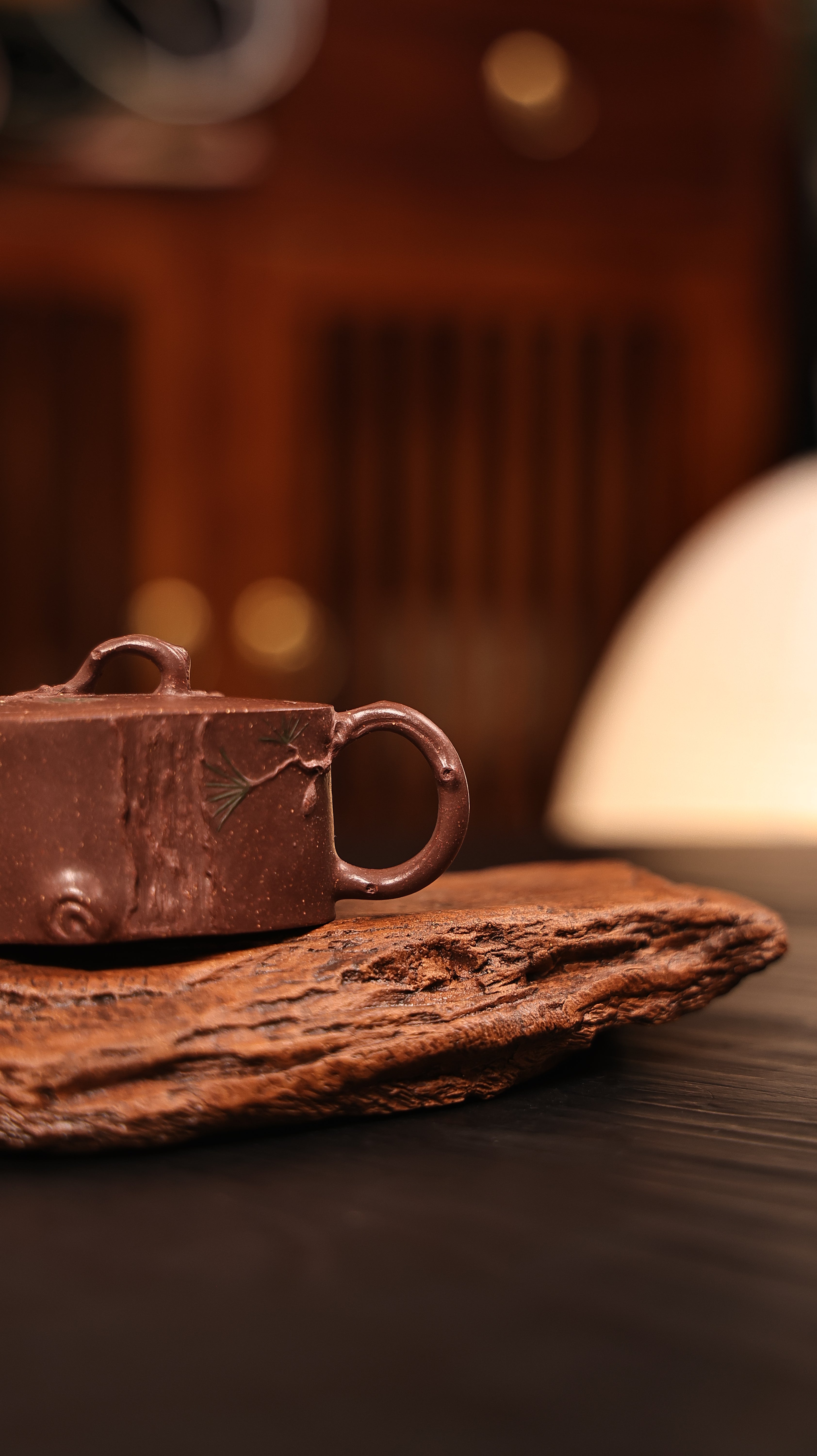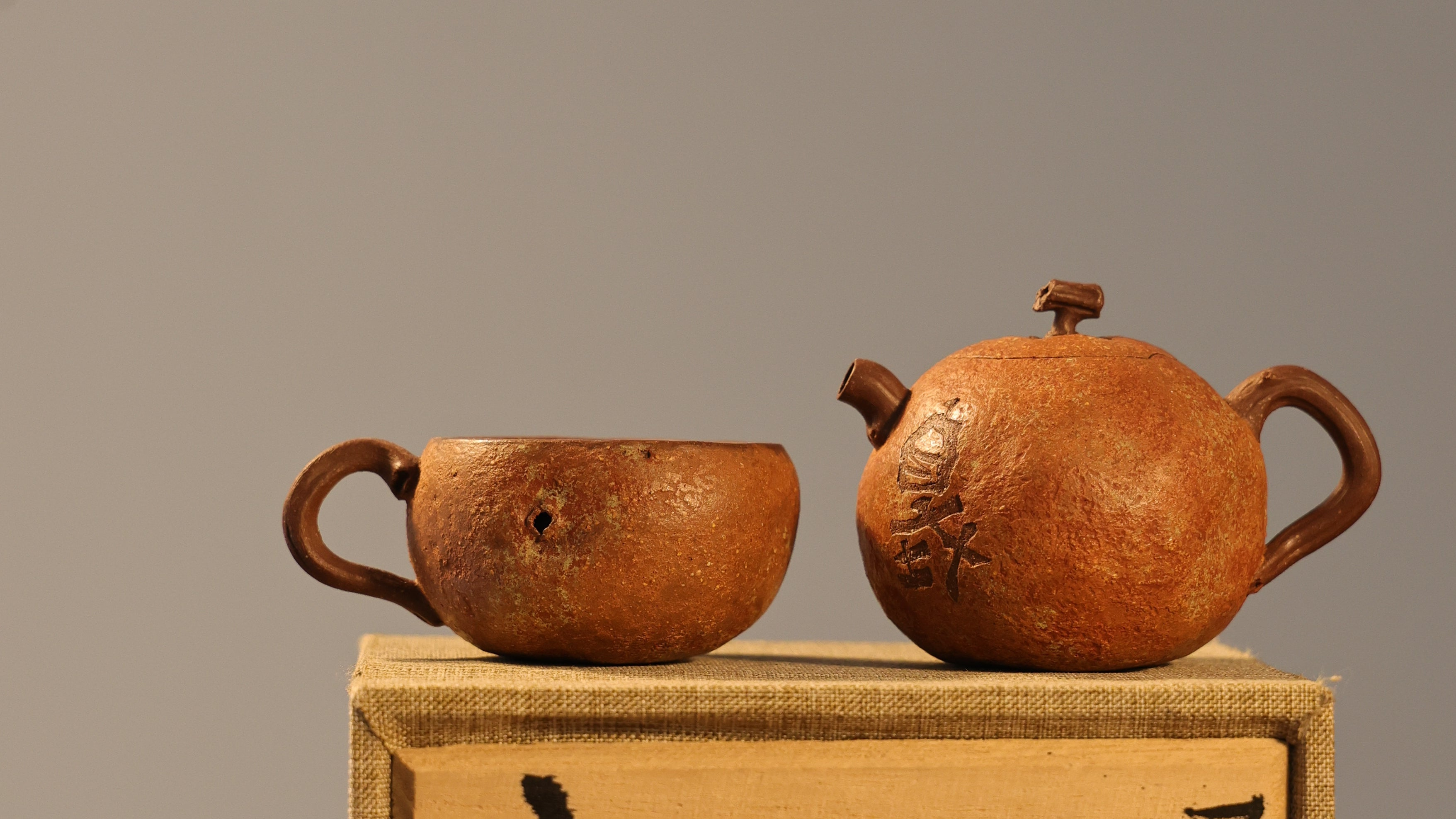
Unending tradition distinguishes Huaihai teapots for centuries,
Reflecting peculiar attributes sourced out of regional plum minerals, those earthenwares gain a luster through utilization, augmenting aroma infused from steeped teas.
Appreciating Yixing Clay: Broad Insights into Zisha
Myriad admirers celebrate the peculiar consistency of Yixing indigo clay, a foundation of traditional Chinese workmanship. Emanating from the Yixing region of Jiangsu province, this uncommon clay exhibits an detailed mineral composition, in order that contributes superb qualities to the finished teapots. Models within Zisha, including Hong Mud, Duan Ni Mud, and Jiang Xi Mud, each presents unique colors, structures, and temperatures traits, impacting the porosity and the concluding note growth of the tea.
Sino Container Customs: Learning Technique
Mandarin teapots embody surpassing mere flasks for extract; they manifest centuries of legacy skill. From the classic Yixing clay variations, respected for their ventilated nature which transfers extraordinary accents to the tea, to the graceful porcelain from Jingdezhen, each piece relays a anecdote of labor. The creation process is an elaborate undertaking, often gifted through dynasties of artists. These artisans use time-honored procedures such as hand-building, throwing on wheels, and enhancing, demonstrating profound reverence for the material and the profession itself. Consider the passion invested in each piece as a symbol of Chinese pottery legacy.
- Chinese teapots: a distinguished assortment.
- Elite ceramic teapots: celebrated for their lightweight design.
- Crafting techniques: a laborious yet rewarding procedure.
Eastern Clay Kettle Maintenance: Conserving Your Cherished Item
Necessary support of your cherished Yixing Zisha urn is necessary to safeguarding its quality. Crafted from celebrated purple sand mineral, these fine teapots form a rich patina after employment, decidedly boosting their allure. Refrain from cleansers; a careful rinse with comfortable warmth aqueous is adequate. Avoid searing water for purifying the teapot, as it may damage its surface. Allow it to evaporate moisture away from powerful sunlight. Consider curing your teapot regularly using excellent tea, especially deep-flavored varieties. Here is a brief outline:
- Wash off with warm fluid.
- Stay away from cleansers.
- Give it to air dry.
- Break in with superior tea.
Lineage of Yixing Teapots: From Modest Roots
The narrative of Yixing teapots originates unassumingly during the Han dynasty, circa the 16th time. Initially, these items were not the respected items they are appreciated now. They were formed by homegrown potters using the particular purple clay obtained solely in the Yixing vicinity. These early artworks were principally utilitarian, created for usual utilization and often unpretentious in configuration. It was not until the next dynasty that they initiated to earn status beyond mere utility wares.
Choosing the Ideal Traditional Jar: A Elementary Reference
Exploring the sphere of Yixing teapots can be overwhelming, but don't fretting! For rookies, the vital factor is understanding the earth. Real Yixing clay is prized for its porosity, allowing the teapot to collect the tea's profile over time, elevating every infusing session. Think about the shape; traditional spherical shapes prevail, yet tailored preferences influence. Lastly, assess the surface—while some favor an basic appearance, others value a mild gloss. Take your time in the selection process—this is an buying in a treasured piece of art.
Traditional Clay Jars and Their Effect on Chinese Tea Ceremony
Zisha containers, originating from Yixing, China, have profoundly changed ancient Chinese potion culture. Those Yixing clay teapots, prized for their distinctive cast, surface, and exceptional ability to impart a subtle flavor to the liquid, are more than mere utensils; they are appreciated artworks and symbols of prominence. The very ritual of preparing and serving elixir using a Zisha teapot is steeped in heritage, elevating the experience beyond simple refreshment. Successions of artisans have developed their techniques, passed down through lineages, resulting in highly appreciated pieces. Therefore, Zisha teapots are frequently accumulated, playing a crucial part in cultivating local appreciation for aesthetics and the ceremony of beverage ceremonies.
- Peculiar Clay Composition
- Imparting Subtle Flavor
- Exquisite Craftsmanship
Identifying Original Rare Traditional Teapots
Buying a truthful Yixing teapot can be a rewarding experience, but the industry is often crowded with copies. Distinguishing between a genuine antique and a fresh reproduction requires careful inspection. Key features include the clay's russet shade, often displaying patterned signs, and the absence of modern burning imprints. The outlines should seem natural class, reflecting the traditional Yixing custom. Finally, analyzing the creator's emblem is essential to verify legitimacy against official testimonies.
- Assess the clay's grain.
- Look for defects, indicative of crafted quality.
- Consult an professional for assessment.
Committing to 宜兴 Earthenware: A Elaborate Explanation to 紫砂 Analysis
The field of Native Zisha pieces presents a distinct opening for educated admirers. Consistently, the value of these artisanal artifacts is affected by multiple considerations, such as the standard of composition, the talent of the builder, the historical notability, and, naturally, the recent market. Beginners should focus on learning Yixing Zisha Teapot about the various species of Zisha clay—such as Ice River, Quiet Jug, and Red Clay—and getting acquainted with the aspects linked to each. Diligent inspection of the object's form, cast, and mark is similarly crucial to make educated selections when investing.