Brick carving illustrates a impressive expression genre with a expansive background, traveling back countless of decades. From ancient vessels to up-to-date presentations, the substance offers peerless possibilities for creative rendering. Makers manipulate different techniques – including assembling, wheel operating, and intricate firing processes – to alter humble loam into compelling three-dimensional forms. The sturdiness of fired brick also contributes to its status as a truly significant part of human tradition.
Studying Clay Plaque Motifs and Strategies
The realm of ceramic sign design offers a considerable array of artistic possibilities. Craftsmen often apply a integration of ancestral and modern techniques to produce visually beautiful pieces. These can cover from simple, etched reliefs to complex, multi-layered formulations. Conventional methods include slip casting, hand shaping, surface glazing – which can involve an array of genres like sub-glaze artwork, outer glaze enhancement, and sgraffito where designs are uncovered by removing a layer of coating. Additional investigation into external finishes such as flash firing and gloss finish can create truly one-of-a-kind and tailored stoneware panels.
- The slip cast process - Forming pieces using a mold
- Hand Building - Directly shaping the terracotta
- Varnishing - Painting the overlay with a glassy finish
- Scratched decoration - Revealing designs by eroding covers
Enveloping Experiences: Earthenware Art Exhibits
The expanding landscape of creativity presents exciting innovative avenues for viewers, and ceramic art installations are at the summit of this transition. These aren't just static pieces; they are crafted to envelop the audience member in a sensory ambiance. Imagine being surrounded by a forest of towering, glazed ceramic trees, or navigating a cluster of fine ceramic vessels. Many creators are now incorporating noises, radiance, and even scent to enhance the vibe of their work. Imagine the power of a room filled with hundreds of individually ceramic forms, each telling a account. Often, such installations analyze themes of environment, remembrance, and mankind.
- These installations blur the edges between creation and venue.
- Participating in a ceramic art installation can be a deeply intimate journey.
- Artisans are challenging the edges of what is conceivable with clay.
Each Charm of the Brick Urn: Meaning and Structure
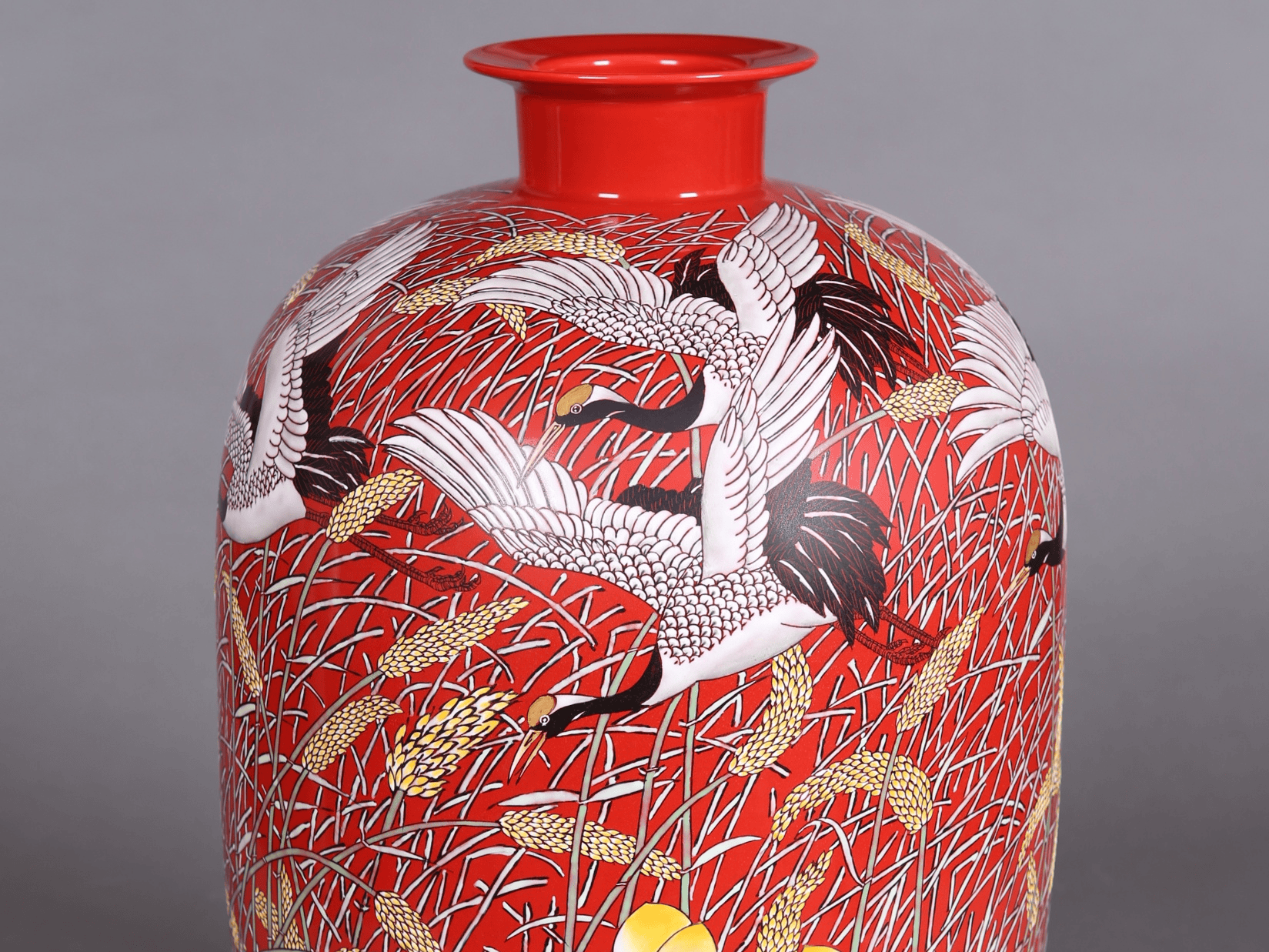
The brick container represents a extraordinary fusion of applicability and aesthetic appeal. Historically, these jars served a simple function in keeping materials, but their maturation has transformed them into highly valued works of craft. Each work showcases the dexterity of the artist, demonstrating how contour can be as important as role. The deliberate shaping, the uncommon glazes, and the aggregate presence of a artfully-produced vase can improve a space, offering both splendor and a quiet reminder of the manual hand.
Recent Ceramic Form : Reaching Perimeters
Modern earthenware figure represents a fascinating development from classic practices. Designers are dynamically advancing with new approaches, softening the edges between design and different artistic fields. From grand installations to precise miniature pieces, mentioned works probe themes of identity while at the same time reshaping the nature of what earthenware can become. The byproduct is a active sphere of expressive display.
Brick Plaque: Preserving History in Clay
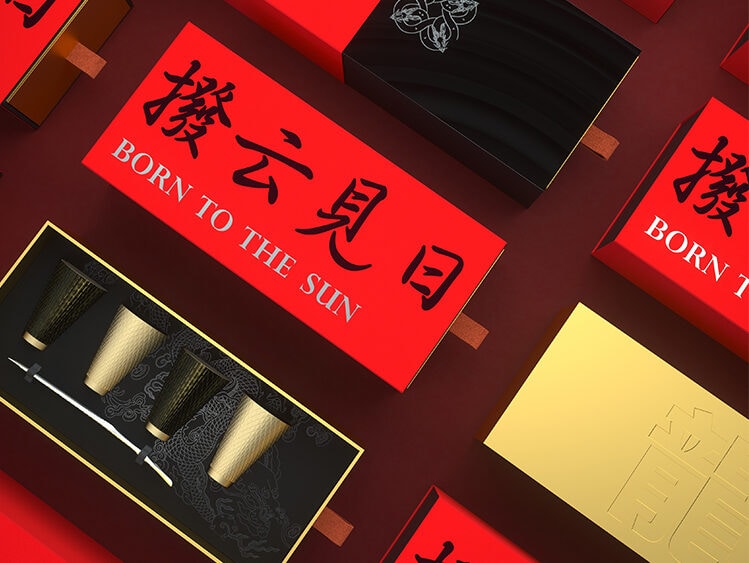
Ceramic plaques offer a distinctive method for recording significant events and figures. Differing from traditional metal or stone markers, these long-lasting pieces of craftsmanship are formed from hardened clay, creating a tangible link to the Portable Travel Cup Set past. Often, they illustrate intricate models or beautifully rendered imagery, portraying stories that might otherwise be neglected. A technique, stemming from ancient tribes, provides a stunning and enduring way to commemorate our collective story.
- These particular can be established in open spaces.
- Countless are now regarded historical objects.
Clay Art Displays: Transforming Areas
Ceramic art installations are materializing a strong medium for sculptors to reimagine public and private sites. These immersive artworks frequently involve monumental clay designs that absorb viewers, altering their understanding of the engineered environment. By applying diverse methods like fabricated molding and advanced firing techniques, ceramic artists fashion truly uncommon experiences, dissolving the thresholds between craft and architecture. The impact is often a impactful modification that improves the aesthetic quality of the venue and encourages discussion.
Origin Spin Tool to Miracle: The Process of the Porcelain Vase
The journey of a stoneware vase from a simple lump of mud to a finished work of mastery is a testament to human ingenuity. Previously, the process begins with the potter’s rotating tool, where the skilled artisan crafts the circling material into a cylindrical configuration. This early part demands precision and a sharp eye, followed by a delicate dehydration period. Once heat-treated, the holder is ready for embellishment, which may engage designing intricate designs, cutting detailed vignettes, or incorporating a collection of textures. The last cooking process then evolves the work into a durable and exquisite receptacle, a tangible reflection of the maker's imagination.
Carving with Earthenware: A Manual to Terracotta Practice
Delving the sphere of stoneware composition begins with understanding the fundamentals of carving with terracotta. A process requires meticulously applying and excising stuff to generate three-dimensional forms. Whether you're a newcomer or a proficient creator, engaging with alternative forms of brick – such as earthenware – will assist you uncover your distinctive signature. In conclusion, porcelain shaping is a worthwhile quest that unites practical expertise with imaginative interpretation.